
A garden redesign should begin with your everyday needs. Think about where you want to eat, relax, spend time with family and enjoy planting, then consider how those activities fit the space. Planning the whole garden first helps you make connected decisions instead of choosing features one at a time.
Looking for Garden Design in Fence? Elite Landscape Design Co. offers tailored garden layouts, digital views and help with planning your project. Share the changes you want to make, existing features worth keeping and your intended budget so the design brief reflects your priorities.
Visit our portfolio of garden designs for inspiration. When you are ready, send us your project details, including your postcode and current photographs, so we can check availability and discuss how to begin.
A whole-garden plan lets you decide where the main spaces belong before you commit to individual elements. Position dining areas with the route from the kitchen in mind, keep access to gates and storage clear, and consider views from inside the house. Furniture dimensions and circulation space should inform the size of a terrace.
If you want to build in phases, identify which decisions affect later work. Levels, retaining elements, water management and service routes may need to be resolved before finished surfaces are laid. Check how contractors will reach future work areas so a later phase does not require removing a completed terrace.
Existing features can give the new garden character and continuity. Identify trees, planting, walls and materials you would like to keep, then assess their condition and compatibility with the proposed layout. Retaining an element is useful only when its position and performance support the new design.
Keep design fees separate from installation costs. Access, excavation, existing ground conditions, level changes, retaining structures, materials and planting can all affect the build price. Ask contractors to identify preparation, supply, installation, disposal and making good so you can see how quotations differ.
Prioritise the improvements that matter most, then consider additions within the available budget. Altering dimensions, finishes or structural features may also change preparation and installation requirements. Keep a suitable contingency and ask how changes and unexpected conditions will be priced.
Planting should respond to soil, light, exposure and mature size. Leave room for growth and access for care, and decide how much seasonal work you want to take on. We can discuss planting plans, lighting plans, material supply and project planning alongside the layout, with the scope confirmed in your proposal.
Plan lighting around the routes and spaces you use, rather than illuminating every part of the garden. Discuss cable routes before paving or decking is completed, and consider light spill towards neighbouring properties. Suitable electrical specialists should confirm the design and installation requirements.
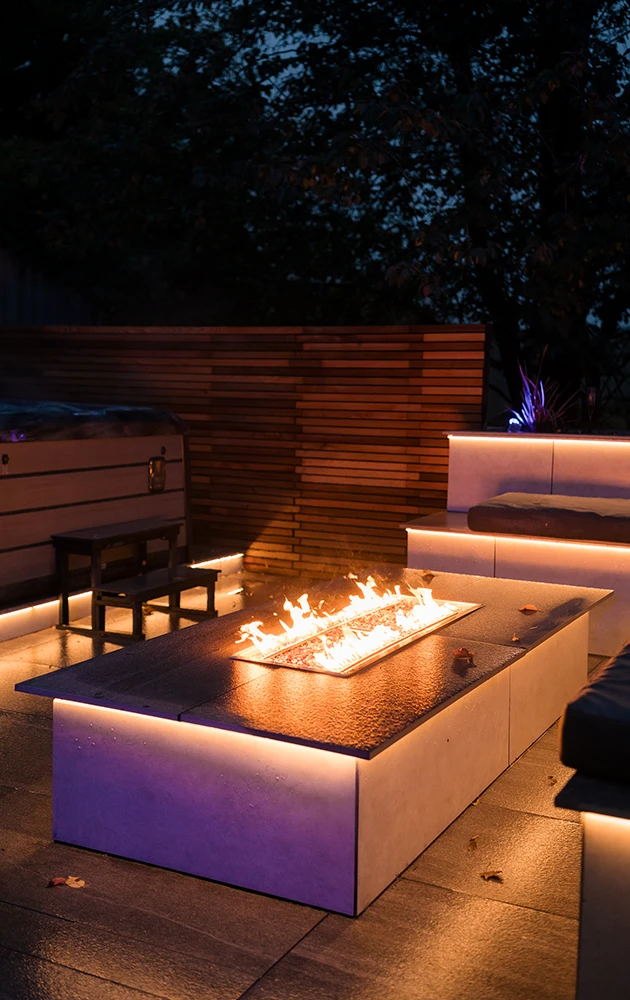

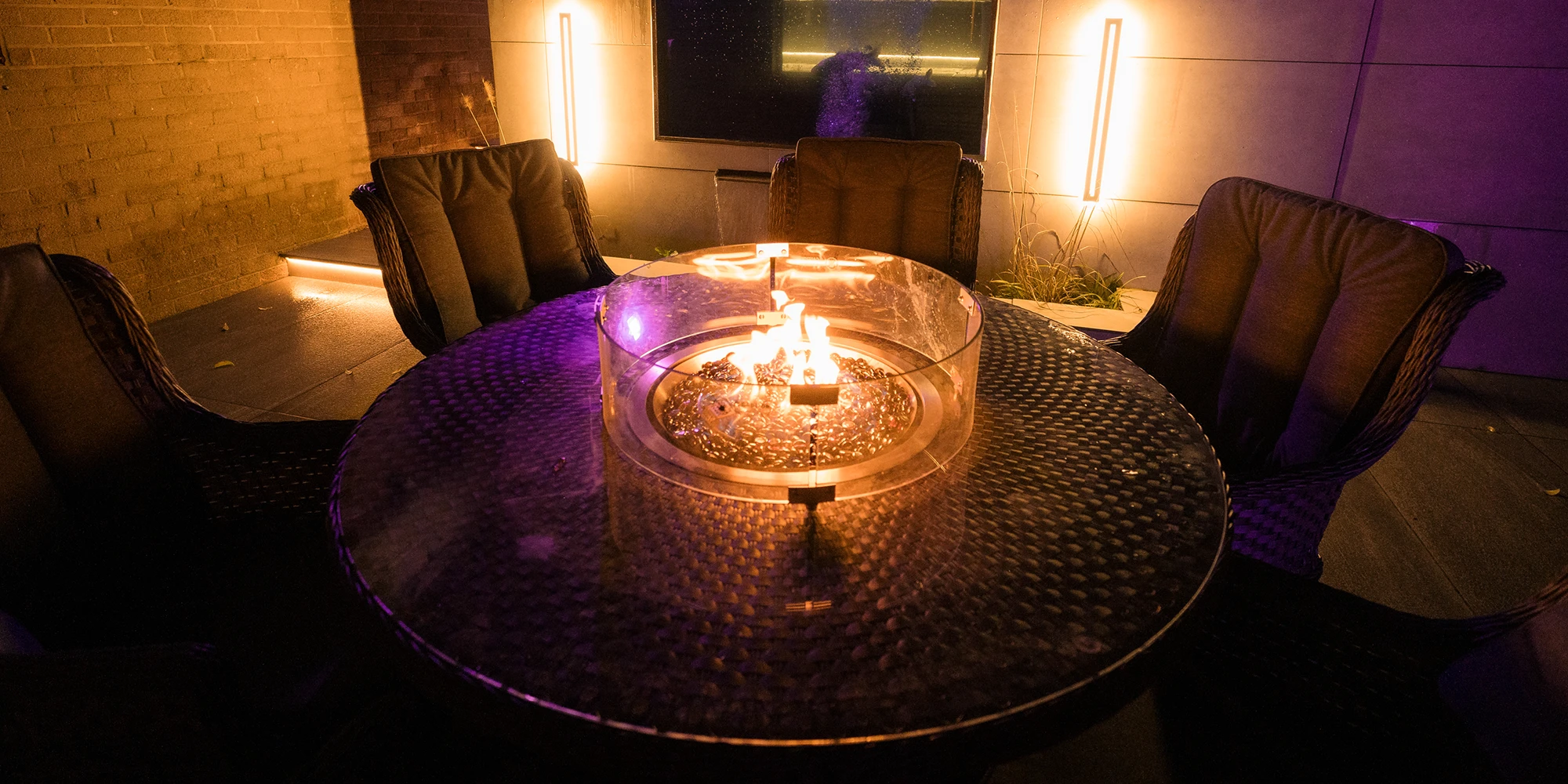





Planning ahead gives you time to test the layout against your priorities. Discuss the sequence of work, the drawings and the agreed specification before appointing an installer. A defined scope makes the next stage easier to understand and compare.
Ask about Garden Design in Fence with your postcode, project ideas and intended budget.
Your layout should suit your daily life, intended budget and preferred level of garden maintenance.
Review levels, paths, materials and planting together before requesting installation quotations.
Review the agreed drawings, scope and responsibilities so the next stage of your project is clear.
There is no reliable single price without knowing the garden and the agreed service. Design fees depend on the scope, while construction costs also depend on access, groundworks, levels, materials and features. Request a written design proposal and a separate installation quotation.
Often, yes, if the whole layout is agreed first. Establish the order of groundworks, levels, retaining elements, services and finished surfaces. Check access for later stages and confirm which provisions need to be made during the first phase.
Your proposal should identify the plans and support you will receive, which may include layouts, digital views, material specifications and additional planting or lighting designs. Agree revision stages, fees and measurement needs in writing before the design begins.
Elite Landscape Design Co. provides design and supply services and can recommend contractors. Confirm separately who will price, manage and carry out installation. The design appointment should make clear which services are included and which require a separate agreement.
Tell us which features you would like to retain. Their condition, position and compatibility with proposed levels and routes should be assessed. Keeping suitable elements can preserve character, but each needs to work with the new scheme.
A manageable garden starts with choices suited to your routine. Plant selection, mature size, access for care and practical materials all matter. Explain your preferred maintenance level so the design can account for regular tasks rather than assuming the garden will need no attention.
Design time depends on the scope, site information and revisions. Installation has a separate programme influenced by contractor availability, weather, ground conditions, deliveries and specialist work. Ask for a timetable for each stage rather than a single assumed completion date.
Contact us with your postcode, garden photographs, approximate dimensions and a short description of the changes you want. Include your intended budget and timing. We can confirm availability and explain a suitable next step.
Ask contractors to price the same drawings and agreed scope. Compare preparation, materials, construction details, waste removal and making good, as well as the total. Check exclusions, responsibilities, payment stages and how changes will be agreed before appointing a contractor.
Share photographs of slopes and places where water gathers, including observations after rain. Levels and drainage should be considered together, with further assessment where needed. Structural features and complex water-management issues may require advice from an appropriate specialist.