
An enjoyable garden needs more than attractive finishes. Think about the routes you use, where you want to sit, how much room you need for dining and the practical things you want out of sight. Bringing those priorities together gives the design a useful starting point.
For Garden Design in Didsbury, speak to Elite Landscape Design Co. about tailored layouts, digital views and project planning. Additional planting, lighting and supply services can be considered as part of the brief, so you understand which plans and support are included.
Use our portfolio of garden designs to explore different approaches. When you are ready, contact our team with your postcode, current photographs and the changes you have in mind so we can check availability and explain how to begin.
Position frequently used spaces around convenient routes. A dining area should allow room for chairs to pull out and people to pass behind them, while the route from the kitchen should remain clear. A quieter seat may work better away from the busiest doorway or the path to storage.
Storage, bins, washing lines and access to side gates should be part of the early brief. Giving these needs a clear place can prevent the finished garden from feeling cluttered or awkward. Where space is limited, decide which activities matter most instead of adding a fixed feature to every corner.
Think about how the garden might need to change. An open area can support different uses over time, while a permanent structure is harder to move. Review how planting will mature and whether future access, furniture changes or a later phase of work could affect the layout.
Choose plants for the conditions they will grow in and the care you want to give them. Soil, shade, sun and exposure matter alongside appearance. Realistic spacing and accessible borders help the scheme develop without making future maintenance unnecessarily difficult.
Compare samples in the setting where they will be used, including how they look when wet. Ask about cleaning, surface suitability and the construction needed beneath them. Edges, steps and the meeting points between planting and paving should be considered alongside the main finish.
Separate the design fee from the installation budget. Build costs can change with access, groundworks, levels, retaining elements and the chosen materials. A useful quotation describes preparation, supplies, installation, disposal and making good so you can compare the scope as well as the total.
A phased approach needs a whole-garden plan so the first stage does not block the next. Discuss access for later work, levels and any provisions for services before finishing new surfaces. Keep a suitable contingency and clarify the process for changes with the installer.
Lighting should have a purpose: helping you see a path, highlighting a change in level or creating a view from indoors. Avoid unnecessary glare and account for nearby windows. Service routes are easier to discuss before surfaces are installed, with electrical requirements confirmed by an appropriately qualified professional.


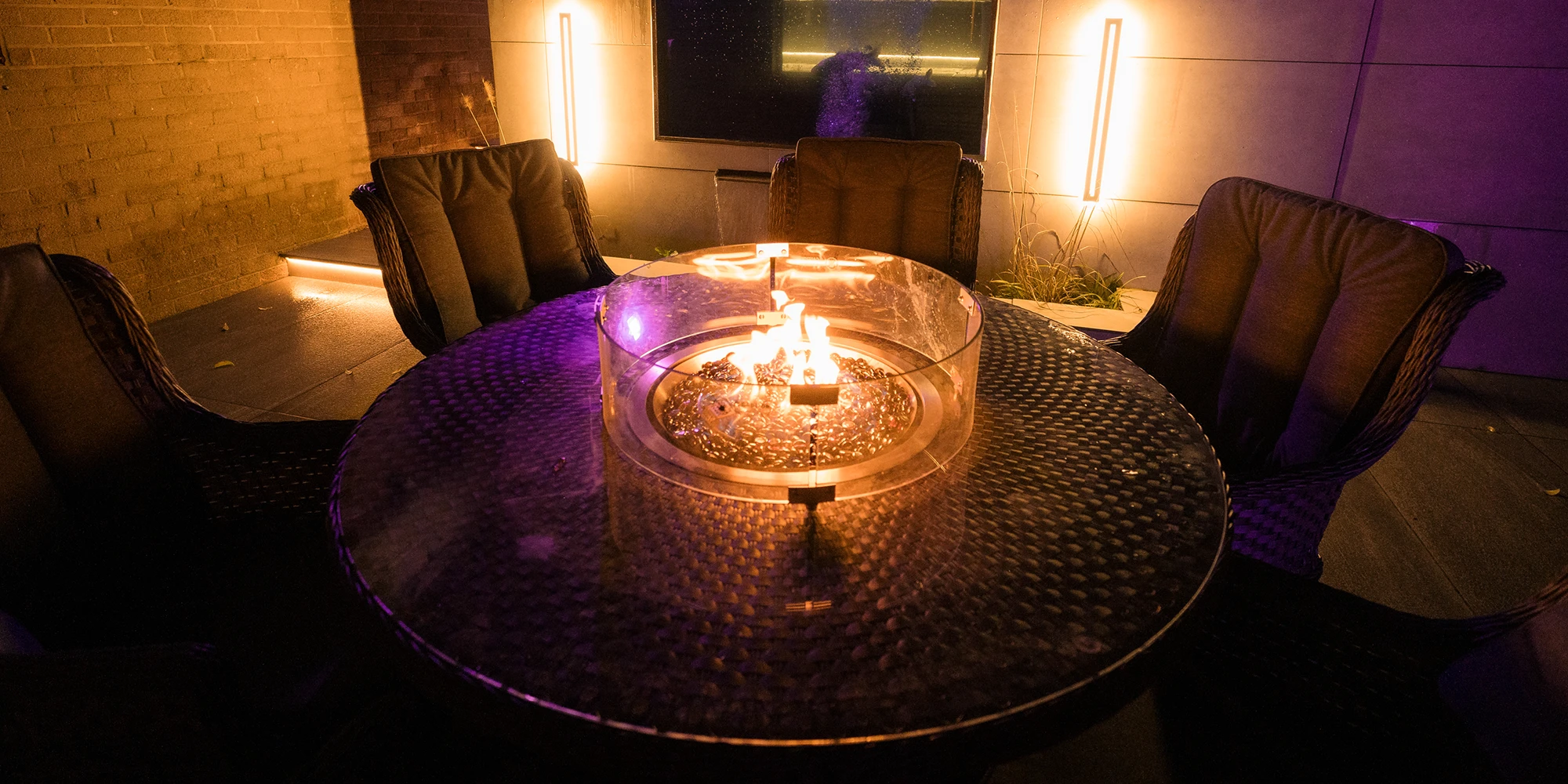


A useful design starts with a conversation about your priorities. Bring the things you like about your garden as well as the parts that frustrate you, so we can discuss a balanced brief and explain the next stage.
Discuss Garden Design in Didsbury with your postcode, photographs and proposed budget.
Plan for the ways you want to relax, dine and use the garden from day to day.
Consider planting, materials, access and proportions as parts of one coordinated scheme.
Agree the drawings, services and responsibilities so you can move forward with a clear scope.
Send us your postcode, recent garden photos, rough measurements and the main problems you want to solve. Let us know your intended budget and preferred timescale so we can confirm availability and discuss an appropriate next step.
Begin with how the space is used and the room each activity requires. Check furniture dimensions, protect important access routes and include storage early. Some areas can serve more than one purpose, which can help the layout feel less crowded.
Tell us which needs are important now and which may change. Flexible open areas, clear circulation and sensible positioning of permanent features can make adaptation easier. Future access and mature plant size should also be considered.
Confirm the plans, visuals and details included in your particular package. Planting, lighting and other services should be listed where agreed, along with revisions, fees and site information requirements so the scope is clear from the outset.
Keep design fees and installation costs separate. The build budget depends on access, preparation, levels, materials, structures and planting. Request a written construction scope, discuss priorities and allow a suitable contingency for matters that become clear during the work.
Elite Landscape Design Co. offers design and supply services and can recommend contractors. Installation arrangements should be confirmed separately. Check who will quote, manage and carry out the work, and which support is included in your design appointment.
Share your preferred maintenance routine when setting the brief. Plant choices, mature sizes, access for care and material selection all influence the work involved. A lower-maintenance scheme can be easier to manage, but it will still need attention.
No. Identify the plants, boundaries and surfaces you would like to keep so their condition and suitability can be reviewed. Their position needs to work with the proposed layout and levels. Retaining appropriate features can preserve character and avoid unnecessary replacement.
Often, yes, provided the complete layout is agreed first. Plan access for future work and resolve the sequence of groundworks, levels, service routes and finished surfaces. Confirm what preparation is needed in early stages to support later ones.
The schedule varies with project complexity, measurements and design decisions. Installation dates also depend on contractors, site conditions, weather and supply. Agree the design timetable and build programme separately, with an explanation of factors that could change them.