
An enjoyable garden needs more than attractive finishes. Think about the routes you use, where you want to sit, how much room you need for dining and the practical things you want out of sight. Bringing those priorities together gives the design a useful starting point.
For Garden Design in Farnworth, speak to Elite Landscape Design Co. about tailored layouts, digital views and project planning. Additional planting, lighting and supply services can be considered as part of the brief, so you understand which plans and support are included.
Browse our garden design portfolio and note the ideas that appeal to you. Then share your postcode and garden photographs with a short description of your priorities so we can confirm availability and discuss the next step.
Position frequently used spaces around convenient routes. A dining area should allow room for chairs to pull out and people to pass behind them, while the route from the kitchen should remain clear. A quieter seat may work better away from the busiest doorway or the path to storage.
Storage, bins, washing lines and access to side gates should be part of the early brief. Giving these needs a clear place can prevent the finished garden from feeling cluttered or awkward. Where space is limited, decide which activities matter most instead of adding a fixed feature to every corner.
Allow some flexibility in the design. A clear open space may be more adaptable than several small permanent features. Consider future furniture, growing plants and access for later improvements so the garden can respond to changing routines.
Choose plants for the conditions they will grow in and the care you want to give them. Soil, shade, sun and exposure matter alongside appearance. Realistic spacing and accessible borders help the scheme develop without making future maintenance unnecessarily difficult.
Compare samples in the setting where they will be used, including how they look when wet. Ask about cleaning, surface suitability and the construction needed beneath them. Edges, steps and the meeting points between planting and paving should be considered alongside the main finish.
Treat design and construction as distinct costs. Site access, excavation, changes in level, structures and specified finishes all influence installation prices. Ask contractors to explain what is included in ground preparation, materials, labour, waste removal and reinstatement.
If the budget calls for stages, agree the final layout first. Consider future access and service routes before completing surfaces, then prioritise the work that supports later phases. Allow an appropriate contingency and agree how variations or unexpected conditions will be handled.
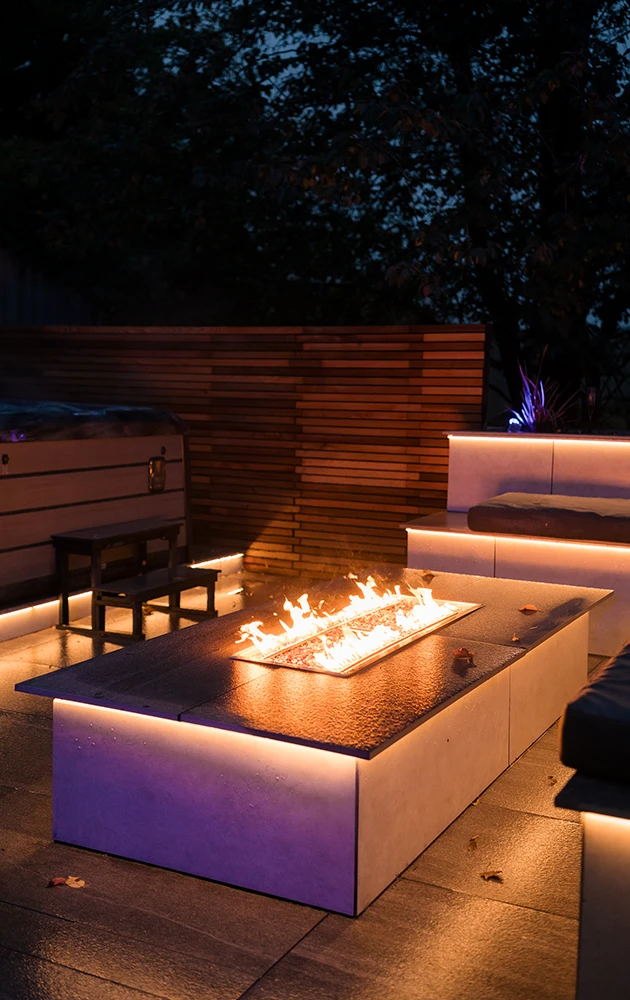
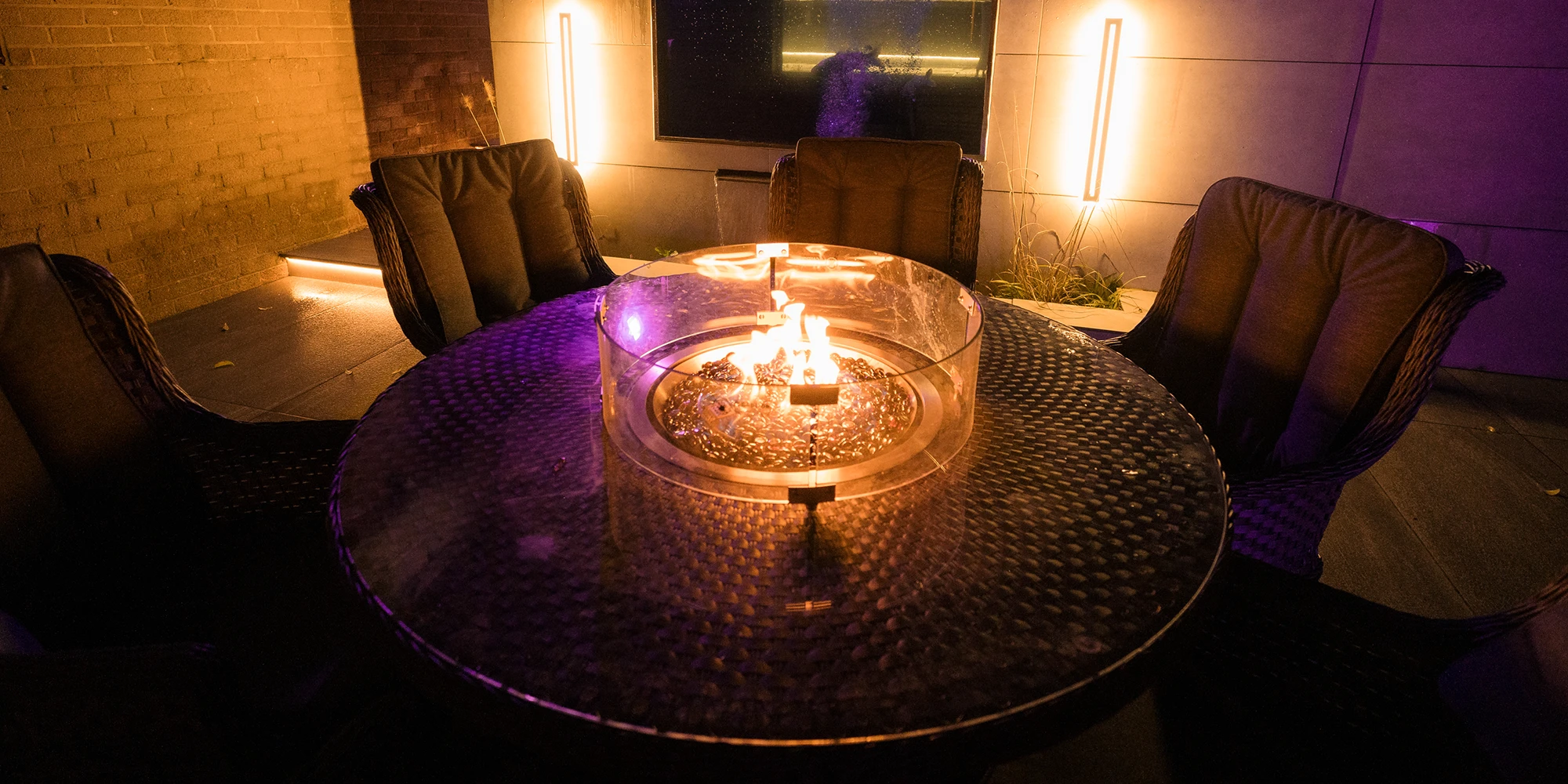
Think about the routes, steps and seating areas that need light rather than illuminating every boundary. Consider the view from the house and the effect on neighbouring spaces. Plan cable routes early and ask a suitable electrical specialist to confirm the design and installation requirements.






A useful design starts with a conversation about your priorities. Bring the things you like about your garden as well as the parts that frustrate you, so we can discuss a balanced brief and explain the next stage.
Ask about Garden Design in Farnworth and share your ideas for the space.
Plan for the ways you want to relax, dine and use the garden from day to day.
Review routes, levels, planting and surfaces together before deciding on the finishing details.
Confirm the design deliverables and installation arrangements before committing to the next stage.
Send us your postcode, recent garden photos, rough measurements and the main problems you want to solve. Let us know your intended budget and preferred timescale so we can confirm availability and discuss an appropriate next step.
Begin with how the space is used and the room each activity requires. Check furniture dimensions, protect important access routes and include storage early. Some areas can serve more than one purpose, which can help the layout feel less crowded.
Discuss your current routines and the changes you expect over time. A layout with adaptable space and carefully placed fixed elements can support different uses. Allow for growing plants, access and future furniture rather than designing only for the first season.
The proposal should identify the agreed drawings, digital visuals, specifications and any additional planting or lighting plans. Check revision stages, measurement requirements and fees before work begins. The exact deliverables depend on the service you choose.
Keep design fees and installation costs separate. The build budget depends on access, preparation, levels, materials, structures and planting. Request a written construction scope, discuss priorities and allow a suitable contingency for matters that become clear during the work.
We provide garden design and supply services, with contractor recommendations available. Agree construction responsibilities independently and make sure your proposal explains the design scope. Confirm the installer, installation quotation and any project support before work starts.
Discuss the time you want to spend on upkeep. Suitable plants, sensible spacing, accessible borders and practical surfaces can help reduce routine work. Some watering, pruning and cleaning will still be needed, so the plan should account for these tasks.
A redesign can incorporate existing features when they support the new scheme. Tell us what matters to you, then assess its condition, location and relationship to planned routes and levels. Decisions should be based on suitability rather than removing or keeping everything automatically.
Often, yes, provided the complete layout is agreed first. Plan access for future work and resolve the sequence of groundworks, levels, service routes and finished surfaces. Confirm what preparation is needed in early stages to support later ones.
The schedule varies with project complexity, measurements and design decisions. Installation dates also depend on contractors, site conditions, weather and supply. Agree the design timetable and build programme separately, with an explanation of factors that could change them.