
An enjoyable garden needs more than attractive finishes. Think about the routes you use, where you want to sit, how much room you need for dining and the practical things you want out of sight. Bringing those priorities together gives the design a useful starting point.
For Garden Design in Tyldesley, speak to Elite Landscape Design Co. about tailored layouts, digital views and project planning. Additional planting, lighting and supply services can be considered as part of the brief, so you understand which plans and support are included.
Use our portfolio of garden designs to explore different approaches. When you are ready, contact our team with your postcode, current photographs and the changes you have in mind so we can check availability and explain how to begin.
Plan movement as carefully as seating. Measure tables with chairs in use, leave room to walk around furniture and keep the route to the house practical. Separate a peaceful seating spot from frequently used paths where the available space allows.
Practical requirements should not be left until the attractive parts are finished. Establish where tools, bins and other everyday items will go, and protect access to gates and utility areas. A compact garden often benefits from fewer features that work properly rather than more features squeezed into the layout.
Allow some flexibility in the design. A clear open space may be more adaptable than several small permanent features. Consider future furniture, growing plants and access for later improvements so the garden can respond to changing routines.
Choose plants for the conditions they will grow in and the care you want to give them. Soil, shade, sun and exposure matter alongside appearance. Realistic spacing and accessible borders help the scheme develop without making future maintenance unnecessarily difficult.
Compare samples in the setting where they will be used, including how they look when wet. Ask about cleaning, surface suitability and the construction needed beneath them. Edges, steps and the meeting points between planting and paving should be considered alongside the main finish.
Treat design and construction as distinct costs. Site access, excavation, changes in level, structures and specified finishes all influence installation prices. Ask contractors to explain what is included in ground preparation, materials, labour, waste removal and reinstatement.
A phased approach needs a whole-garden plan so the first stage does not block the next. Discuss access for later work, levels and any provisions for services before finishing new surfaces. Keep a suitable contingency and clarify the process for changes with the installer.
Think about the routes, steps and seating areas that need light rather than illuminating every boundary. Consider the view from the house and the effect on neighbouring spaces. Plan cable routes early and ask a suitable electrical specialist to confirm the design and installation requirements.
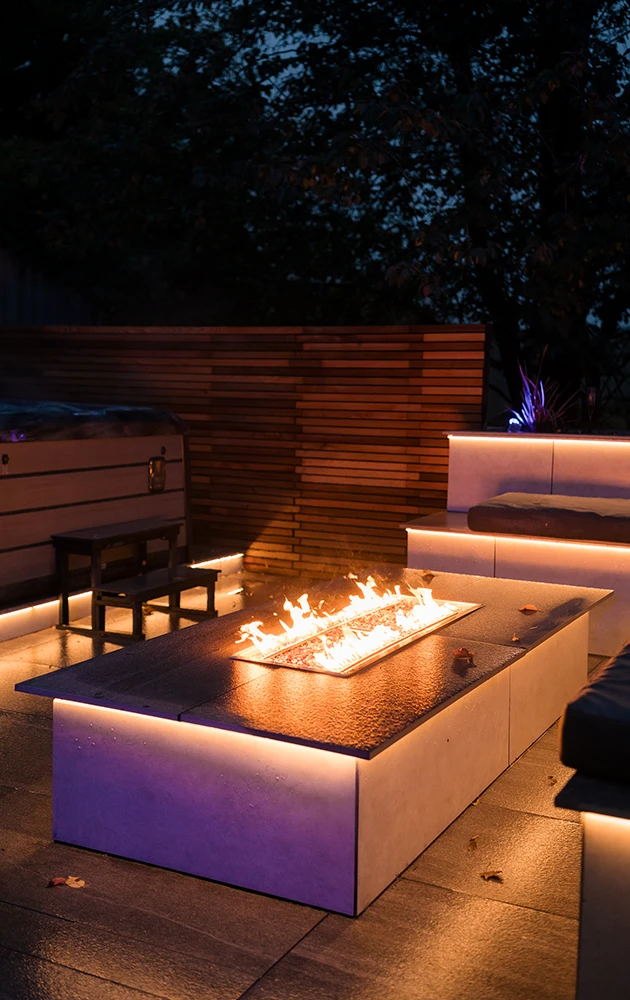

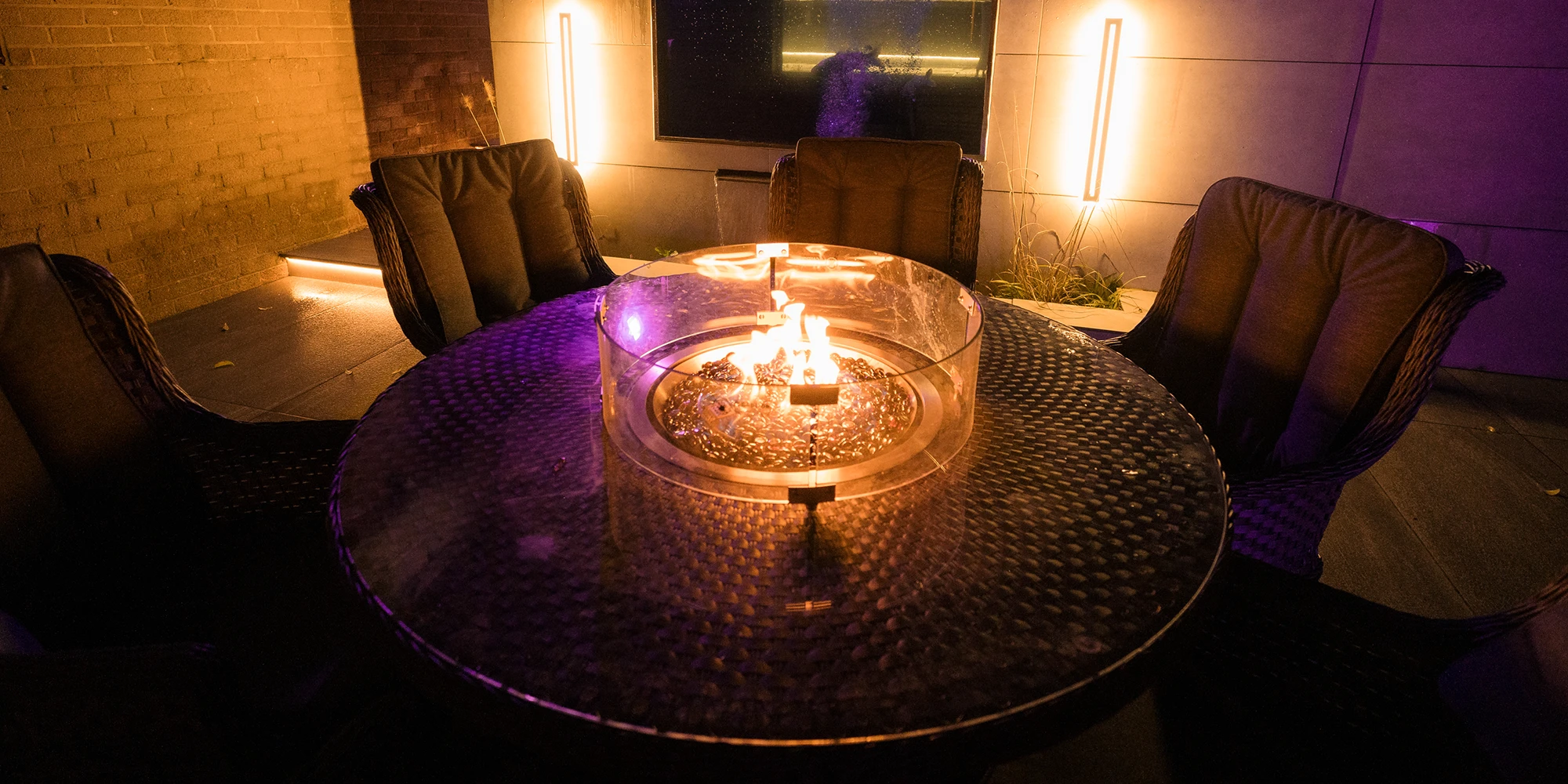





Tell us what you want to keep, what needs to work better and how you imagine spending time outdoors. Those details help shape the brief and allow us to outline an appropriate design service.
Discuss Garden Design in Tyldesley with your postcode, photographs and proposed budget.
Shape the space around your activities, practical needs and preferred maintenance routine.
Review routes, levels, planting and surfaces together before deciding on the finishing details.
Confirm the design deliverables and installation arrangements before committing to the next stage.
Start with current photographs, your postcode, approximate dimensions and a list of the changes you want. Include your proposed budget and timing. We can check availability, discuss your priorities and explain which design service may be suitable.
Prioritise the activities you use most and allow realistic space around furniture. Keep routes to doors, gates and storage clear, then position planting and permanent features around those needs. Not every activity needs its own enclosed area.
Discuss your current routines and the changes you expect over time. A layout with adaptable space and carefully placed fixed elements can support different uses. Allow for growing plants, access and future furniture rather than designing only for the first season.
The proposal should identify the agreed drawings, digital visuals, specifications and any additional planting or lighting plans. Check revision stages, measurement requirements and fees before work begins. The exact deliverables depend on the service you choose.
Keep design fees and installation costs separate. The build budget depends on access, preparation, levels, materials, structures and planting. Request a written construction scope, discuss priorities and allow a suitable contingency for matters that become clear during the work.
We provide garden design and supply services, with contractor recommendations available. Agree construction responsibilities independently and make sure your proposal explains the design scope. Confirm the installer, installation quotation and any project support before work starts.
Discuss the time you want to spend on upkeep. Suitable plants, sensible spacing, accessible borders and practical surfaces can help reduce routine work. Some watering, pruning and cleaning will still be needed, so the plan should account for these tasks.
A redesign can incorporate existing features when they support the new scheme. Tell us what matters to you, then assess its condition, location and relationship to planned routes and levels. Decisions should be based on suitability rather than removing or keeping everything automatically.
A staged build can work when it follows a whole-garden plan. Discuss the order of construction, future access and any services or supporting work needed before surfaces are finished. Each phase should have its own clear scope and budget.
The schedule varies with project complexity, measurements and design decisions. Installation dates also depend on contractors, site conditions, weather and supply. Agree the design timetable and build programme separately, with an explanation of factors that could change them.