
A garden redesign should begin with your everyday needs. Think about where you want to eat, relax, spend time with family and enjoy planting, then consider how those activities fit the space. Planning the whole garden first helps you make connected decisions instead of choosing features one at a time.
Looking for Garden Design in Radcliffe? Elite Landscape Design Co. offers tailored garden layouts, digital views and help with planning your project. Share the changes you want to make, existing features worth keeping and your intended budget so the design brief reflects your priorities.
Explore our garden design portfolio to see our work, then contact the team with your postcode, photographs and ideas. We can confirm availability and explain the next step for your particular garden.
A whole-garden plan lets you decide where the main spaces belong before you commit to individual elements. Position dining areas with the route from the kitchen in mind, keep access to gates and storage clear, and consider views from inside the house. Furniture dimensions and circulation space should inform the size of a terrace.
A phased project works best when the final scheme is understood from the outset. Ground levels, structures, drainage considerations and services can influence several stages. Plan access for later construction and discuss any provisions needed beneath new surfaces before those areas are finished.
Existing features can give the new garden character and continuity. Identify trees, planting, walls and materials you would like to keep, then assess their condition and compatibility with the proposed layout. Retaining an element is useful only when its position and performance support the new design.
The design appointment and the build are separate parts of your budget. Installation prices depend on the work involved, including access, groundworks, levels, structures and specified finishes. An itemised scope covering preparation, materials, labour, waste and reinstatement makes comparisons more useful.
Agree essential features before adding optional extras. A larger terrace, a change of material or a new structure can affect more than the visible finish, so discuss the full implications before making changes. Allow an appropriate contingency and agree how variations or unforeseen site conditions will be handled.
Choose planting around the conditions and your preferred level of upkeep. Consider growing space, mature height, access for maintenance and the pattern of sun and shade. Planting design, lighting, supply services and planning support can be discussed with the layout and included where agreed.
Plan lighting around the routes and spaces you use, rather than illuminating every part of the garden. Discuss cable routes before paving or decking is completed, and consider light spill towards neighbouring properties. Suitable electrical specialists should confirm the design and installation requirements.


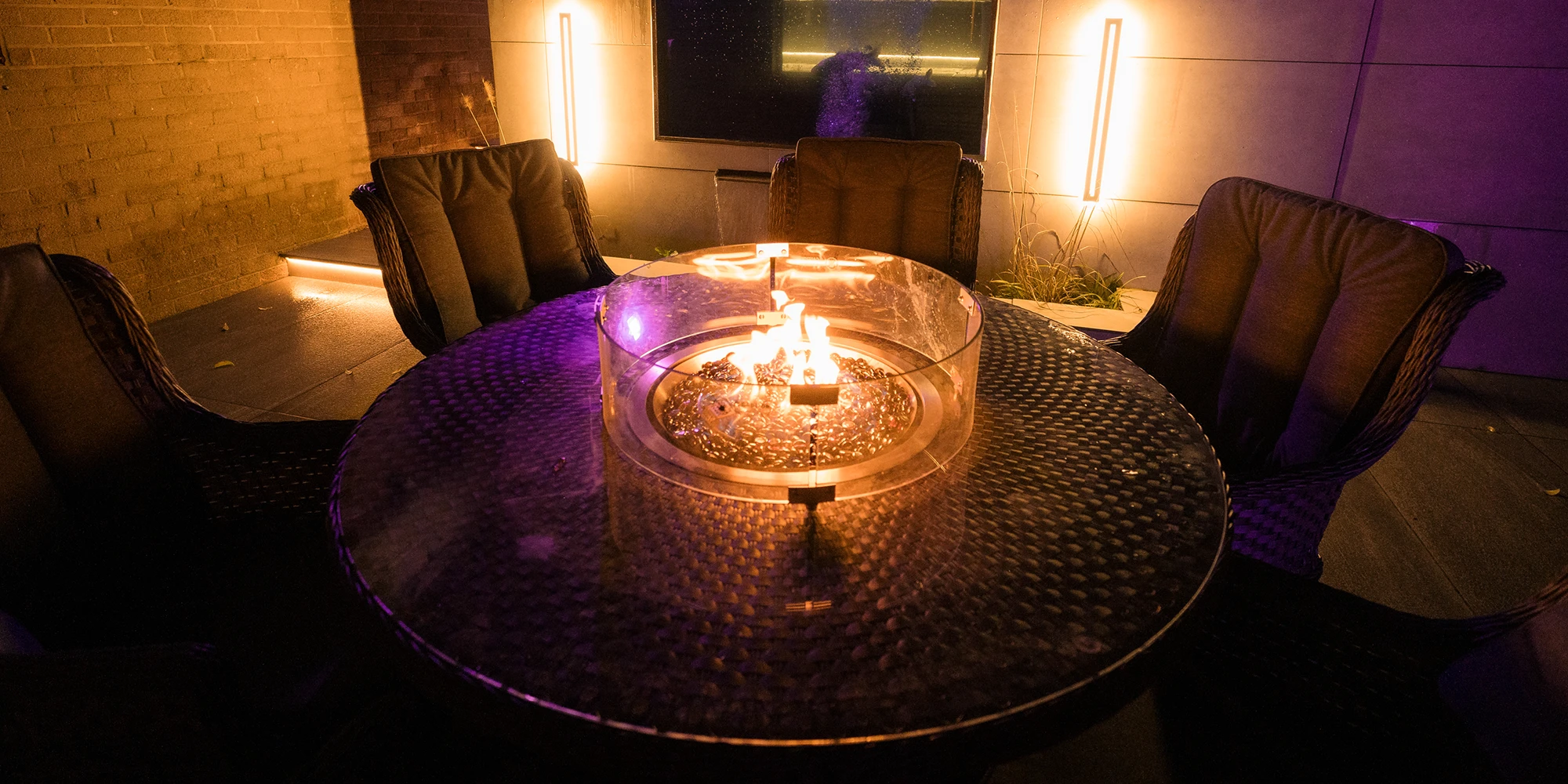


A garden design is most useful when it helps you make decisions before committing to the build. Review the proposed layout, ask how the different stages connect and confirm what information an installer will receive. A clear scope gives everyone a shared starting point.
Ask about Garden Design in Radcliffe with your postcode, project ideas and intended budget.
A layout should reflect how you live, what you want to spend and the care you want to give your garden.
Review levels, paths, materials and planting together before requesting installation quotations.
Review the agreed drawings, scope and responsibilities so the next stage of your project is clear.
The cost depends on the size and complexity of the project and the service you choose. Keep design fees separate from build costs, which can be affected by access, excavation, level changes and finishes. Ask for a clear design scope and an itemised contractor quotation.
A phased approach can work when it follows a complete plan. Resolve the sequence of structural work, levels, service routes and surface installation before starting. Later stages need practical access, and some preparation may be required before the first area is finished.
Your proposal should identify the plans and support you will receive, which may include layouts, digital views, material specifications and additional planting or lighting designs. Agree revision stages, fees and measurement needs in writing before the design begins.
Elite Landscape Design Co. provides design and supply services and can recommend contractors. Confirm separately who will price, manage and carry out installation. The design appointment should make clear which services are included and which require a separate agreement.
Tell us which features you would like to retain. Their condition, position and compatibility with proposed levels and routes should be assessed. Keeping suitable elements can preserve character, but each needs to work with the new scheme.
A manageable garden starts with choices suited to your routine. Plant selection, mature size, access for care and practical materials all matter. Explain your preferred maintenance level so the design can account for regular tasks rather than assuming the garden will need no attention.
Design time depends on the scope, site information and revisions. Installation has a separate programme influenced by contractor availability, weather, ground conditions, deliveries and specialist work. Ask for a timetable for each stage rather than a single assumed completion date.
Send your postcode, recent photos, rough garden size and main priorities through our contact page. Let us know your proposed budget and preferred timescale so we can check availability and discuss the appropriate design service.
Ask contractors to price the same drawings and agreed scope. Compare preparation, materials, construction details, waste removal and making good, as well as the total. Check exclusions, responsibilities, payment stages and how changes will be agreed before appointing a contractor.
Share photographs of slopes and places where water gathers, including observations after rain. Levels and drainage should be considered together, with further assessment where needed. Structural features and complex water-management issues may require advice from an appropriate specialist.