
The best starting point for a garden transformation is a clear picture of how you want to live outdoors. A comfortable dining area, a sheltered seat, room for family activities and planting you can manage all need to work together. A considered design helps turn those priorities into a coherent plan before construction begins.
Looking for Garden Design in Tottington? Elite Landscape Design Co. offers tailored garden layouts, digital views and help with planning your project. Share the changes you want to make, existing features worth keeping and your intended budget so the design brief reflects your priorities.
Visit our portfolio of garden designs for inspiration. When you are ready, send us your project details, including your postcode and current photographs, so we can check availability and discuss how to begin.
Planning the complete layout helps you organise seating, paths, planting and practical access as one scheme. Think about carrying food from the house, reaching storage and moving around tables and chairs. Check proportions against actual furniture rather than assuming an empty paved area will be large enough.
If you want to build in phases, identify which decisions affect later work. Levels, retaining elements, water management and service routes may need to be resolved before finished surfaces are laid. Check how contractors will reach future work areas so a later phase does not require removing a completed terrace.
Existing features can give the new garden character and continuity. Identify trees, planting, walls and materials you would like to keep, then assess their condition and compatibility with the proposed layout. Retaining an element is useful only when its position and performance support the new design.
The design appointment and the build are separate parts of your budget. Installation prices depend on the work involved, including access, groundworks, levels, structures and specified finishes. An itemised scope covering preparation, materials, labour, waste and reinstatement makes comparisons more useful.
Agree essential features before adding optional extras. A larger terrace, a change of material or a new structure can affect more than the visible finish, so discuss the full implications before making changes. Allow an appropriate contingency and agree how variations or unforeseen site conditions will be handled.
Choose planting around the conditions and your preferred level of upkeep. Consider growing space, mature height, access for maintenance and the pattern of sun and shade. Planting design, lighting, supply services and planning support can be discussed with the layout and included where agreed.
Plan lighting around the routes and spaces you use, rather than illuminating every part of the garden. Discuss cable routes before paving or decking is completed, and consider light spill towards neighbouring properties. Suitable electrical specialists should confirm the design and installation requirements.
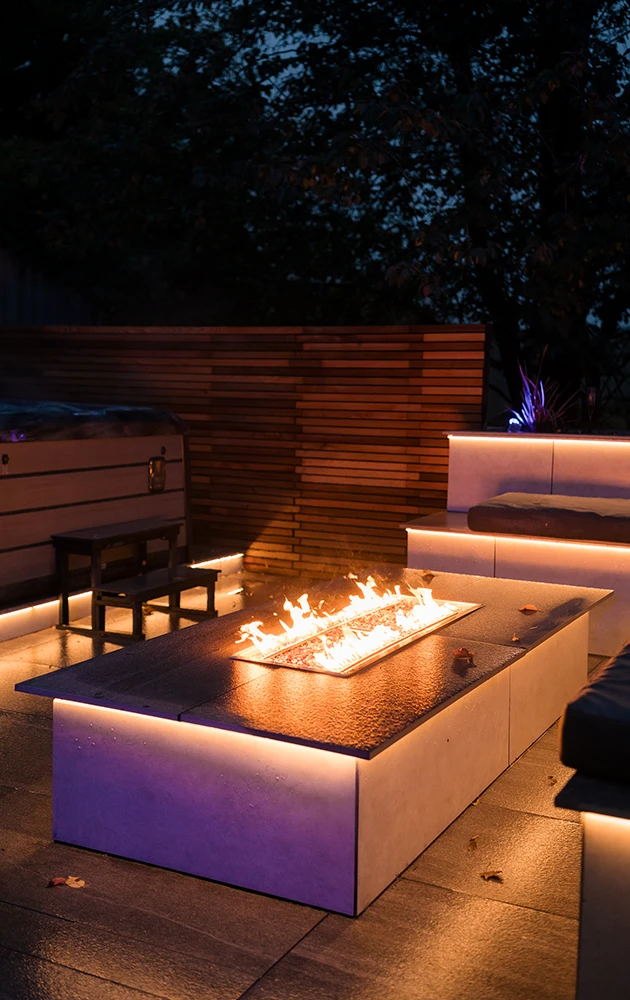

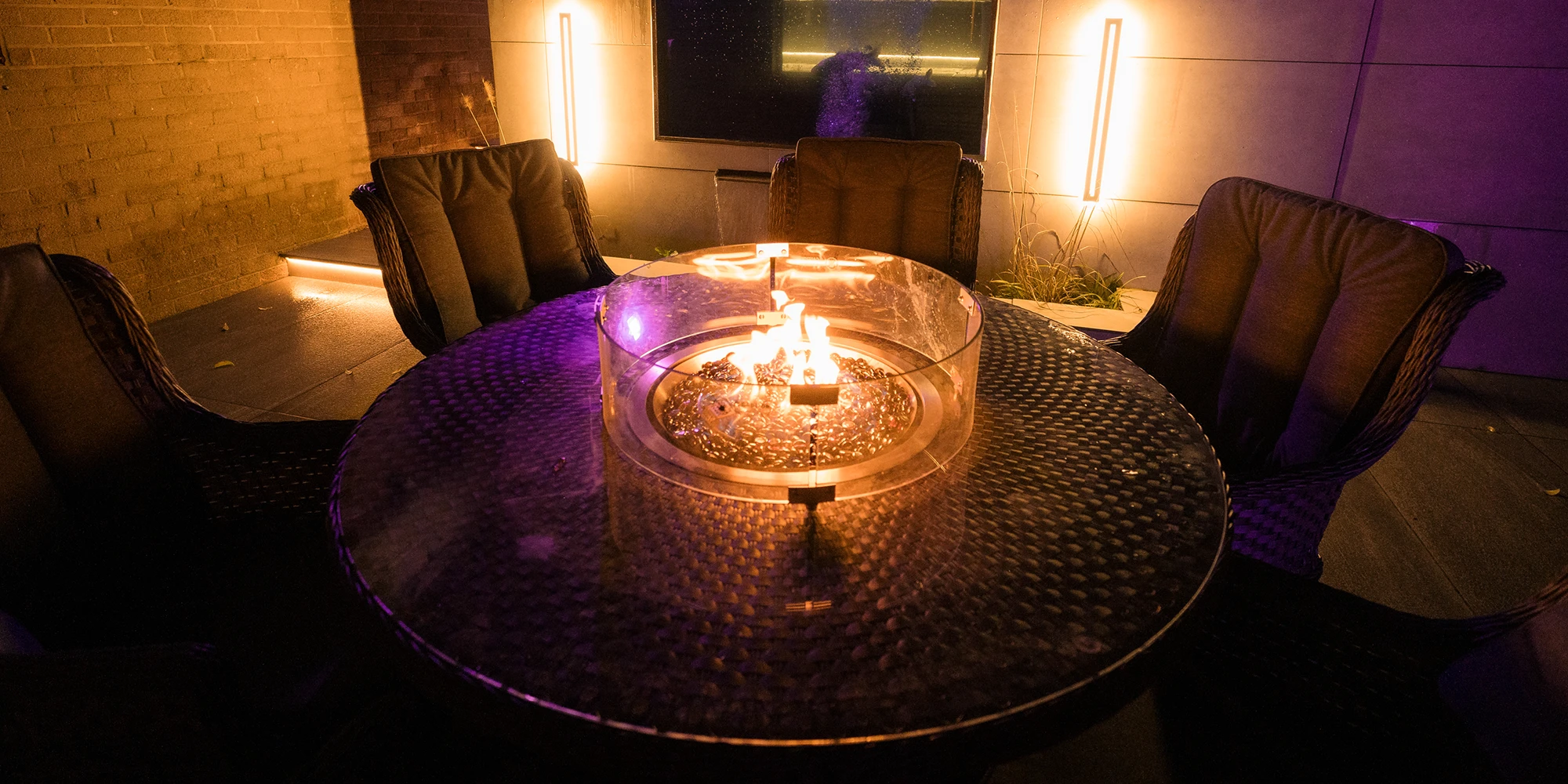





Planning ahead gives you time to test the layout against your priorities. Discuss the sequence of work, the drawings and the agreed specification before appointing an installer. A defined scope makes the next stage easier to understand and compare.
Ask about Garden Design in Tottington with your postcode, project ideas and intended budget.
A layout should reflect how you live, what you want to spend and the care you want to give your garden.
Coordinate levels, routes, materials and planting before asking contractors to price the work.
Review the agreed drawings, scope and responsibilities so the next stage of your project is clear.
The cost depends on the size and complexity of the project and the service you choose. Keep design fees separate from build costs, which can be affected by access, excavation, level changes and finishes. Ask for a clear design scope and an itemised contractor quotation.
A phased approach can work when it follows a complete plan. Resolve the sequence of structural work, levels, service routes and surface installation before starting. Later stages need practical access, and some preparation may be required before the first area is finished.
Your proposal should identify the plans and support you will receive, which may include layouts, digital views, material specifications and additional planting or lighting designs. Agree revision stages, fees and measurement needs in writing before the design begins.
Elite Landscape Design Co. provides design and supply services and can recommend contractors. Confirm separately who will price, manage and carry out installation. The design appointment should make clear which services are included and which require a separate agreement.
Tell us which features you would like to retain. Their condition, position and compatibility with proposed levels and routes should be assessed. Keeping suitable elements can preserve character, but each needs to work with the new scheme.
Suitable plants, realistic spacing, accessible borders and well-chosen surfaces can reduce routine work. Tell us how much time you want to spend gardening. Some upkeep will always be needed, including watering, pruning and cleaning.
The schedule varies with project complexity, measurements, design decisions and revisions. Build dates also depend on the installer, site conditions, weather and material supply. Agree the design timetable and construction programme separately before planning around them.
Send your postcode, recent photos, rough garden size and main priorities through our contact page. Let us know your proposed budget and preferred timescale so we can check availability and discuss the appropriate design service.
Ask contractors to price the same drawings and agreed scope. Compare preparation, materials, construction details, waste removal and making good, as well as the total. Check exclusions, responsibilities, payment stages and how changes will be agreed before appointing a contractor.
Share photographs of slopes and places where water gathers, including observations after rain. Levels and drainage should be considered together, with further assessment where needed. Structural features and complex water-management issues may require advice from an appropriate specialist.