
A successful garden design begins with a clear understanding of the existing site. Levels, restricted access and difficult boundaries can shape the whole project, making an agreed plan important before you order materials or features.
Looking for Garden Design in Rawtenstall? Elite Landscape Design Co. offers bespoke garden design, digital visuals and support with planning your outdoor project. Tell us what you want to change, how you use the garden and your intended budget, and we can discuss a suitable design brief.
Explore our portfolio of garden designs for ideas, or speak to our team with your postcode so we can check availability and discuss how to move your project forward.
Look at your garden at different times of day. Record sunny and shaded areas, existing planting worth keeping, overlooking and places where water collects. A useful brief describes the problems you want to solve as clearly as the appearance you want to achieve.
Access can affect the build as much as garden size. Measure gates and passages, identify storage space for materials and consider how waste will leave the site. Restricted access may change how contractors price excavation, deliveries and installation.
For a sloping garden, consider terraces, a gentler route or steps combined with planting to make the space more usable. Consider changes in level alongside the way water moves through the garden. Retaining walls and major ground alterations may require specialist advice; confirm this before requesting a detailed build quotation.
A complete garden project can involve more than a layout drawing. Alongside the design, we can discuss planting, lighting, material supply and planning support for the project. Agree these services in your proposal to make clear which plans, products and support you will receive. Confirm construction arrangements and any specialist services separately.
Design fees and construction costs should be considered separately. Installation prices depend on groundworks, access, level changes, retaining structures, specified materials and planting. An agreed brief makes it easier to compare choices and prioritise your spending. Request a written scope and include a suitable contingency; a square-metre rate alone cannot account for every project requirement.


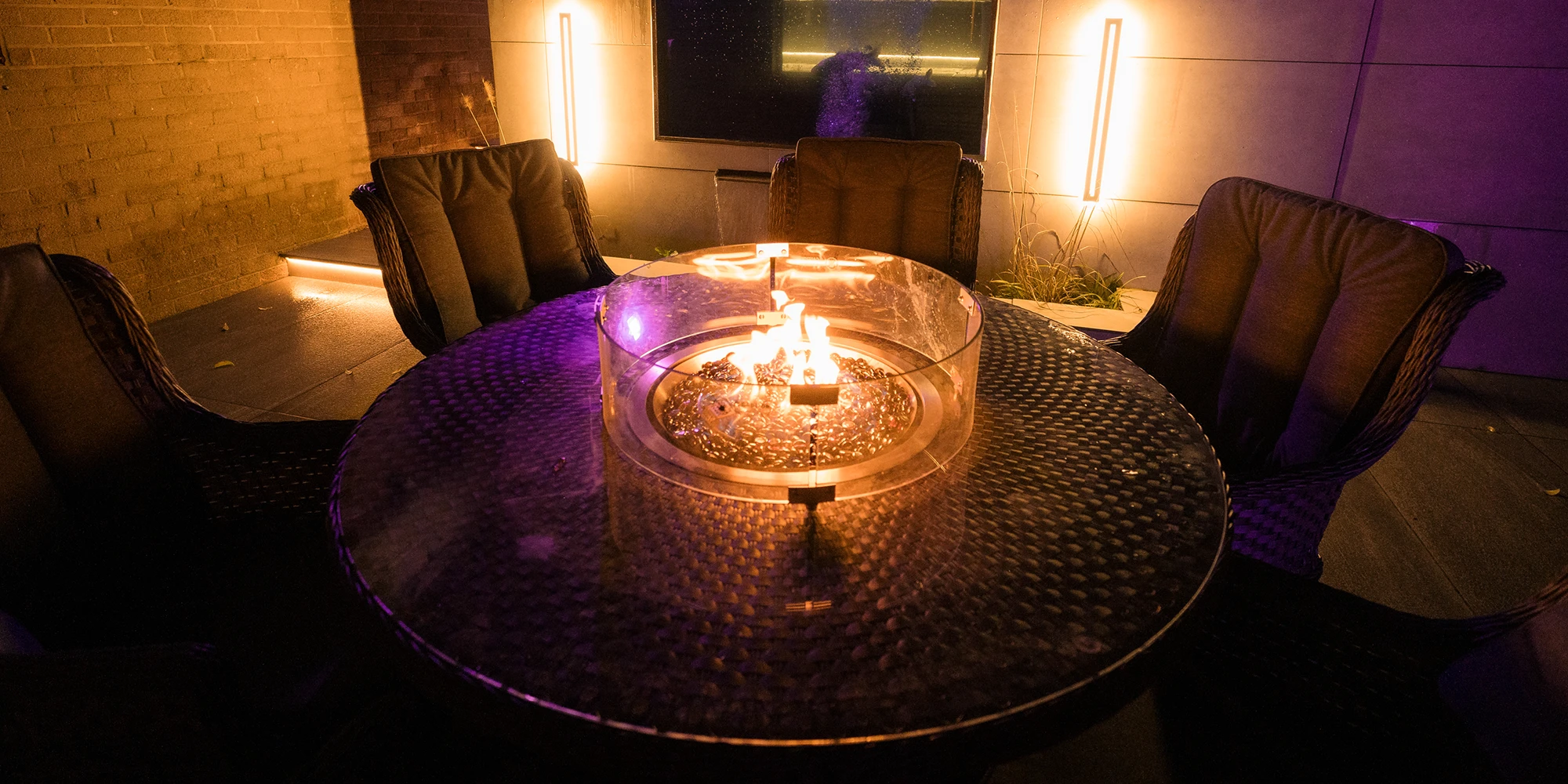


A clear view of the proposed garden helps you make informed decisions. Before construction starts, a design lets you review proportions, movement through the garden and how materials work with planting. Find inspiration in the portfolio, then share your priorities and photographs of your own garden when we discuss your ideas.
A layout should reflect how you live, what you want to spend and the care you want to give your garden.
Review levels, paths, materials and planting together before requesting installation quotations.
Check the plans, scope and responsibilities so you understand how your project will progress.
A sloping garden can be planned around usable levels, routes and planting. The right approach depends on the height difference, soil, access and water movement. Structural work may require an engineer and should be assessed before the design is built.
What is included depends on your outdoor space and the service you agree. Depending on the agreed scope, your proposal may cover layout plans, digital views, specifications and separate planting or lighting designs. Before work starts, agree the deliverables, revisions, fees and measurement requirements in writing.
Elite Landscape Design Co. provides design and supply services and can recommend contractors. Confirm who will quote for and carry out installation, which services are included, and who will manage the work. A design appointment should not be assumed to include the construction contract.
Timescales vary with garden size, project complexity, required site information, design revisions and installer availability. Request a schedule for the design stage and a separate construction programme. Installation dates may be influenced by weather, site conditions, delivery times and specialist services.
Tell us which trees, plants, boundaries and surfaces you would like to retain. Their condition, location and compatibility with the new layout need to be assessed. Keeping suitable features can preserve character and reduce unnecessary replacement.
Send your postcode, recent photographs, approximate garden size and a short list of priorities through our contact page. Include your intended budget and timescale. We can then confirm availability, discuss the brief and explain the appropriate design service.
Yes, if the layout starts with the space each activity needs. Allow room to move around furniture, keep routes clear and plan storage into the scheme. A limited palette of surfaces and planting can help a small garden feel coherent without filling every available corner.
Tell us how much time you want to spend on garden care. Suitable plants, realistic spacing, accessible borders and practical surfaces can reduce routine work. Every garden needs some upkeep, so the design should account for watering, pruning, cleaning and future access.