
The most useful garden design starts with understanding what is already there. Changes in level, narrow access or an awkward boundary can influence the entire project, so a clear plan matters before materials or features are ordered.
Looking for Garden Design in Edenfield? Elite Landscape Design Co. offers bespoke garden design, digital visuals and support with planning your outdoor project. Tell us what you want to change, how you use the garden and your intended budget, and we can discuss a suitable design brief.
Explore our garden design portfolio for ideas, or contact the team with your postcode to confirm availability and the right next step for your project.
Look at your garden at different times of day. Record sunny and shaded areas, existing planting worth keeping, overlooking and places where water collects. A useful brief describes the problems you want to solve as clearly as the appearance you want to achieve.
The route into your garden can influence construction as much as the size of the space. Check gate and passage widths, plan where materials can be stored and consider the route for removing waste. Limited access may affect contractors’ costs for excavation, delivery and installation.
For a sloping garden, consider terraces, a gentler route or steps combined with planting to make the space more usable. Consider changes in level alongside the way water moves through the garden. Retaining walls and major ground alterations may require specialist advice; confirm this before requesting a detailed build quotation.
A complete garden project can involve more than a layout drawing. Alongside the design, we can discuss planting, lighting, material supply and planning support for the project. Agree these services in your proposal to make clear which plans, products and support you will receive. Confirm construction arrangements and any specialist services separately.
Garden design and construction are different costs. The amount of groundwork, access, changes in level, retaining structures, material specification and planting all affect installation prices. A clearly defined brief helps you compare options and decide where to spend. Ask for a written scope and allow for an appropriate contingency rather than relying on a price per square metre alone.
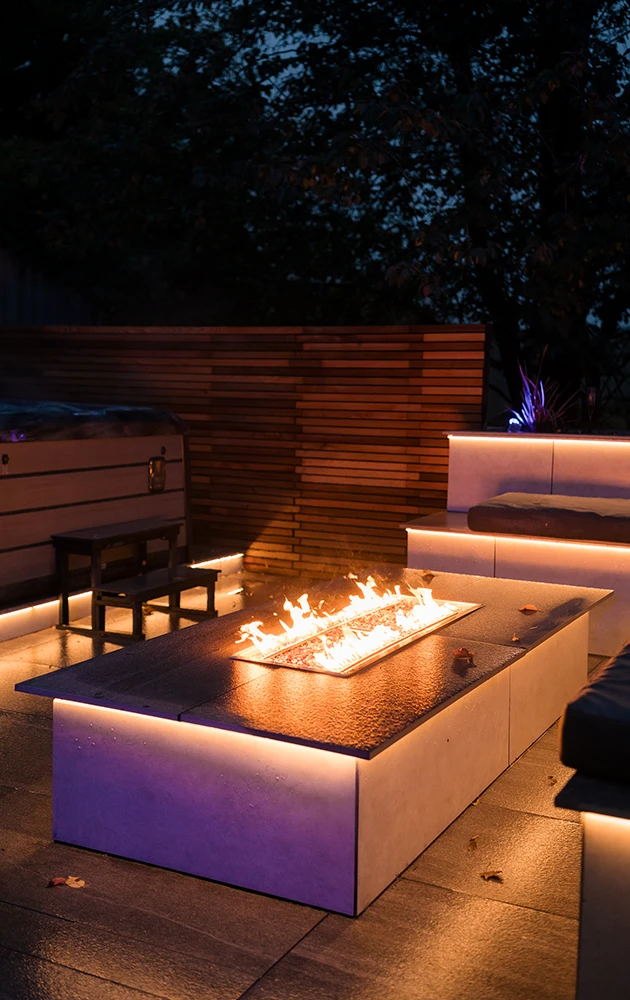

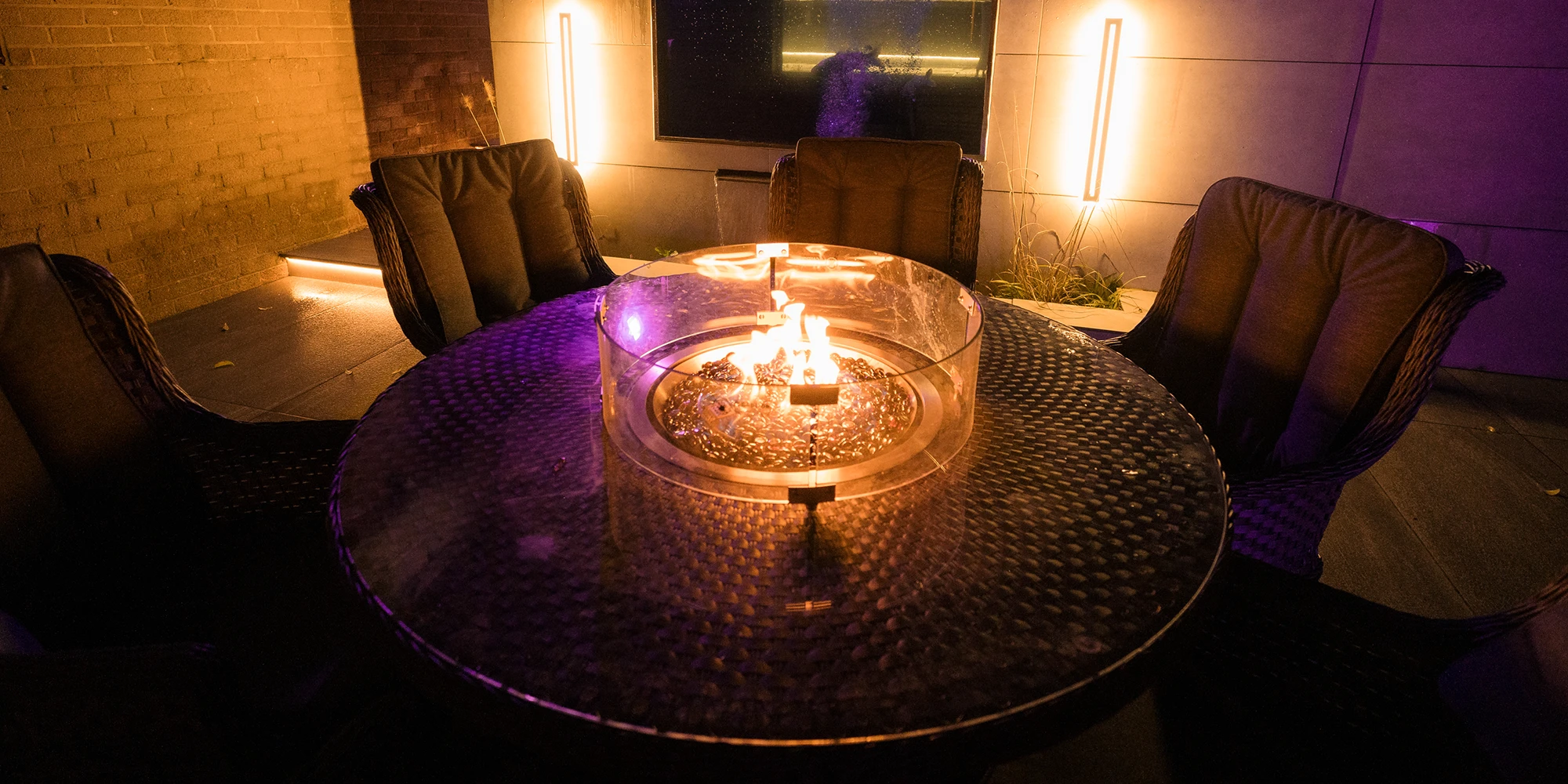





A clear view of the proposed garden helps you make informed decisions. Before construction starts, a design lets you review proportions, movement through the garden and how materials work with planting. Find inspiration in the portfolio, then share your priorities and photographs of your own garden when we discuss your ideas.
Your layout should suit your daily life, intended budget and preferred level of garden maintenance.
Coordinate levels, routes, materials and planting before asking contractors to price the work.
Check the plans, scope and responsibilities so you understand how your project will progress.
The design of a sloping garden can combine practical levels, access routes and planting. The best approach will depend on level differences, soil conditions, access and drainage. An engineer may be needed for structural elements, which should be assessed before construction.
What is included depends on your outdoor space and the service you agree. Depending on the agreed scope, your proposal may cover layout plans, digital views, specifications and separate planting or lighting designs. Before work starts, agree the deliverables, revisions, fees and measurement requirements in writing.
Elite Landscape Design Co. provides design and supply services and can recommend contractors. Confirm who will quote for and carry out installation, which services are included, and who will manage the work. A design appointment should not be assumed to include the construction contract.
Timescales vary with garden size, project complexity, required site information, design revisions and installer availability. Request a schedule for the design stage and a separate construction programme. Installation dates may be influenced by weather, site conditions, delivery times and specialist services.
Tell us which trees, plants, boundaries and surfaces you would like to retain. Their condition, location and compatibility with the new layout need to be assessed. Keeping suitable features can preserve character and reduce unnecessary replacement.
Send your postcode, recent photographs, approximate garden size and a short list of priorities through our contact page. Include your intended budget and timescale. We can then confirm availability, discuss the brief and explain the appropriate design service.
Yes, if the layout starts with the space each activity needs. Allow room to move around furniture, keep routes clear and plan storage into the scheme. A limited palette of surfaces and planting can help a small garden feel coherent without filling every available corner.
Tell us how much time you want to spend on garden care. Suitable plants, realistic spacing, accessible borders and practical surfaces can reduce routine work. Every garden needs some upkeep, so the design should account for watering, pruning, cleaning and future access.